X





CONTACT
Mirage Poker Club - Budapest | Cash Games & Tournaments
Address: 1191 Budapest, Vak Bottyán utca 75. A-C KÖKI Shopping Center (Entrance from Vak Bottyán Street)
Phone: +36307737773
E-mail: poker@miragepoker.hu
Player Protection HELPLINE: +3680205352



Persons under 18 are not allowed to participate in gambling activities.
Map
Poker – The Game That Conquered the World
The history, evolution and global rise of poker
Few card games have shaped modern culture as significantly as poker. It is a unique blend of strategy, psychology, mathematics and social interaction — a game that challenges both the mind and the intuition. Today, poker is a global language: understood in Las Vegas just as well as in Budapest; played casually among friends and fiercely in multi-million-dollar tournaments. But how did this remarkable game begin, and how did it rise to world-wide dominance?
The mysterious origins of poker
The exact birthplace of poker remains a topic of debate. While many people associate it with the American Wild West, its roots stretch back much further. Some historians trace the game to 10th-century China, while others point to the Persian game “As Nas” as its earliest ancestor. In Europe, the French “Poque” and the German “Pochen” are commonly regarded as the most direct predecessors — both featuring early versions of bluffing and betting.
In the 19th century, along the Mississippi River, poker began to evolve into the form we recognize today. It spread on riverboats, in frontier saloons, and in military camps. The deck expanded from 20 cards to the familiar 52, and various rule sets began to appear — laying the foundations for modern poker.
The turning point: the rise of Texas Hold’em
The worldwide boom of poker is inseparable from the rise of Texas Hold’em. Originating in the early 1900s in small Texas towns, the game reached Las Vegas by the 1960s. Its speed, clarity and strategic depth quickly captured the attention of casino players.
In 1970, the first World Series of Poker (WSOP) was held — a modest event with a handful of invited players. No one could have predicted that it would eventually become the poker world championship, attracting tens of thousands of entrants and offering prize pools worth hundreds of millions of dollars.
Texas Hold’em became the world’s dominant version because it perfectly balances skill, psychology, probability and luck. No other poker variation accommodates such diverse playing styles while remaining perfectly suited for televised coverage.
A revolution: Chris Moneymaker and the online poker explosion
In 2003, a moment occurred that changed poker forever. Chris Moneymaker — an amateur player who qualified through a small online satellite tournament — won the WSOP Main Event.
This phenomenon, known as the “Moneymaker Effect,” encapsulated the magic of poker: that anyone, from anywhere, could rise to championship status through skill, determination and a bit of luck.
His victory sparked the online poker boom. Streaming platforms, televised tournaments and digital poker rooms brought the game to millions. Today, poker is more than just a pastime — it is a global industry backed by media, technology and a dedicated worldwide community.
The major poker variants that shaped the game
Poker is not a single game but a family of games, each with its own strategic flavor. The most influential variants include:
Texas Hold’em
The most popular and widely played version — the backbone of modern poker culture.
Omaha (PLO)
A fast-paced, high-action variant known for bigger pots and more aggressive dynamics. A favorite among professionals.
Seven Card Stud
The dominant poker game before Hold’em took over, now favored by experienced strategists.
Draw Poker
A simplified classic, well-known from old films and still a favorite for casual home games.
High Hand and jackpot-style formats
Modern poker rooms often introduce bonus systems and side prizes that add extra excitement to every session.
Each version emphasizes different skills — whether psychology, probability, risk-management or creativity. This diversity is one of the reasons why poker never becomes repetitive and continues to attract new players.
Why poker conquered the world
The universal appeal of poker lies in its unique blend of elements. It is:
-
A social game – bringing together people from all backgrounds.
-
A strategic challenge – requiring continuous learning and adaptation.
-
A thrilling experience – every hand is a new story.
-
A psychological duel – reading others is as important as reading the cards.
-
A merit-based game – skill eventually prevails over luck.
-
A cultural symbol – filled with legendary moments and iconic personalities.
Few games offer such depth, excitement and emotional engagement.
The future of poker — and its place in modern society
Although online platforms remain significant, players around the world increasingly seek real, face-to-face experiences. The human element — reading opponents, feeling the atmosphere, sitting at the table — cannot be replicated digitally.
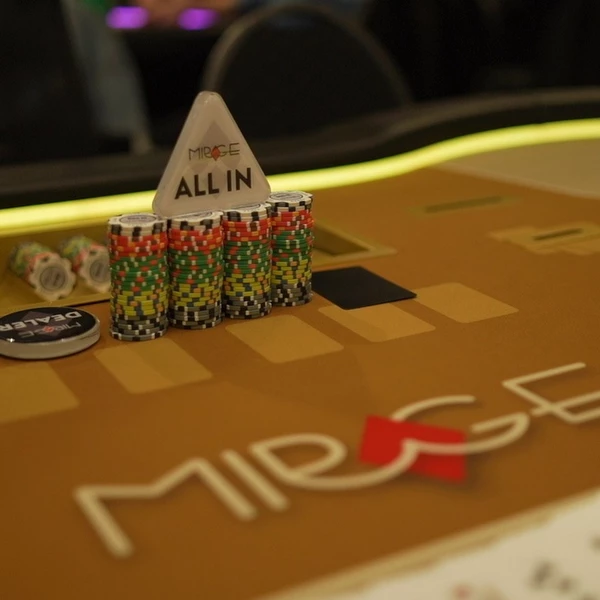
This is why live poker rooms, including those in Central Europe, are thriving. Venues like the Mirage Poker Club in Budapest bring poker back to its roots: real cards, real people, real emotion.
One thing is certain: poker is no passing trend. As long as people love to think, compete, bluff and win, poker will remain one of the world’s most celebrated and enduring card games.
Additional posts

Back to the previous page!